CLON is an experimental electronic music and visual art project operating across Argentina and Chile. Working with the raw textures of circuit bending, the physical intensity of experimental techno and the real-time image generation of live audiovisual performance, CLON develops a practice in which hardware malfunction and sonic extremity are not problems to be corrected but materials to be composed. The project is situated within a Southern Cone experimental underground that treats the margins of electronic music history as its primary resource.
Artistic Practice
CLON’s work proceeds from a fundamental interest in the instability of electronic hardware. Circuit bending — the practice of short-circuiting or otherwise modifying consumer electronics to produce unintended sonic outputs — is central to their methodology, both as a source of material and as a philosophical orientation. Where conventional electronic music production treats the unpredictable as something to be eliminated, CLON treats it as the work’s essential condition: the possibility of catastrophic failure is what keeps the practice alive.
This orientation toward dysfunction and extremity connects naturally to the lineage of experimental techno — a form whose history includes deliberately punishing tempos, deliberately degraded audio quality and a deliberate refusal of the smoothness that mainstream dance music has come to require. CLON operates within this tradition, drawing on its confrontational possibilities while bringing a specifically Argentine and Chilean sensibility to its execution: one formed by local traditions of noise music, by the physical conditions of small DIY venues and by a relationship with international experimental networks that has always been asymmetric.
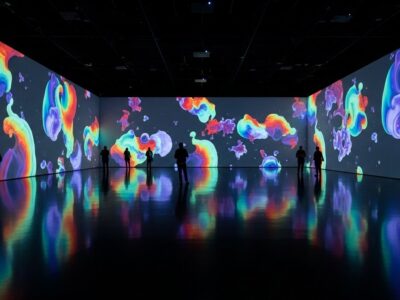
Their live audiovisual performances integrate image generation that responds to the sonic material in real time. The visual output shares the damaged, industrial quality of the sound: high-contrast images, glitch artefacts, feedback loops that reference the circuit-bent origins of the audio while extending them into the visual domain. Performance documentation reveals the degree to which the live context — its specific acoustics, its specific lighting, the specific state of the hardware on that evening — is constitutive of the work rather than incidental to it.
Tools and Methods
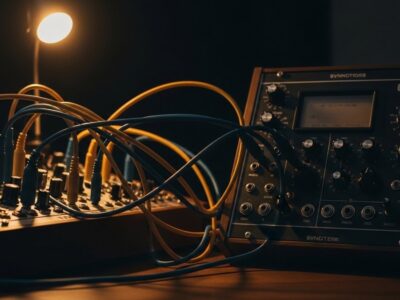
The circuit bending practice requires a working knowledge of consumer electronics at a component level: understanding which modifications produce sonic results, which produce permanent damage and which hover usefully between the two. CLON have developed their own modified instruments from commercial hardware — toys, effects units, mixing consoles — transforming devices designed for other purposes into custom sound sources with timbral qualities unavailable through conventional synthesis.
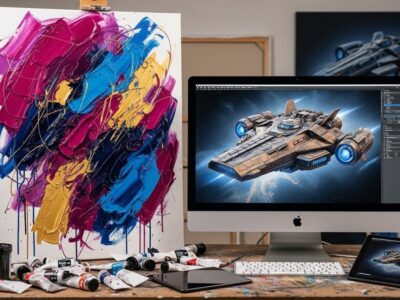
For live audiovisual performance they work with real-time video synthesis and processing tools that allow the visual material to respond to audio input directly. The preference for analogue or semi-analogue visual processing techniques maintains consistency with the degraded, materialist aesthetic of the circuit-bent audio — digital tools that produce too-clean results are resisted in favour of hardware that introduces its own artefacts and limitations.
The experimental techno dimension of CLON’s practice implies a structural engagement with rhythm and pulse, even when these are distorted to near-illegibility. Drum machines — modified or otherwise — provide rhythmic architecture that the circuit-bent elements inhabit, disrupt and occasionally destroy. The tension between the regularity implied by techno’s formal conventions and the chaos produced by unstable hardware is one of the generative tensions within the project.
Selected Works
CLON’s performances have been presented in experimental music and noise contexts across Argentina and Chile. Their work has appeared at events in Buenos Aires and Santiago within the DIY experimental underground, and their presence in the Amplify DAI network placed this practice alongside digital art projects from across Latin America, the UK and Canada in a frame that acknowledged the experimental techno tradition as a legitimate strand of contemporary digital art practice.
Recorded output reflects the live-first nature of the practice: releases tend toward documentation of specific performances or sessions rather than studio constructions, preserving the contingency and physicality that gives circuit bending its particular character. The decision not to clean up or normalise this material is itself a position — a refusal of the post-production values that govern most distributed electronic music.
[EMBED: Bandcamp / SoundCloud — search CLON experimental Argentina]